List of Presenters: 2027
January 26 – Maryam Bostani, HDR
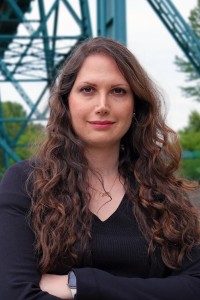
Dr. Maryam Bostani is the AI Practice Lead for Bridges and Structures at HDR, bringing 16 years of combined industry and research experience to the application of artificial intelligence in engineering. Since 2019, she has conducted applied research through the HDR Fellowship Program, with a focus on AI-based bridge management systems. She has also served as an adjunct professor at Brown University and contributed to national research initiatives through NCHRP projects on AI opportunities for transportation agencies and AI-enabled decision support systems. She is active with TRB and serves as Vice Chair of the Transportation Association of Canada’s Digital Applications Committee.
January 26 – Muntasir Billah, University of Calgary
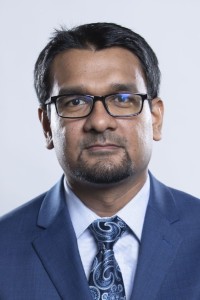
Dr. Muntasir Billah is an Associate Professor and Schulich Research Chair in the Department of Civil Engineering at the University of Calgary. He earned his PhD in structural engineering from the University of British Columbia, where he received the 2016 Governor General’s Gold Medal. His research focuses on performance-based seismic design and retrofit of bridges, multi-hazard infrastructure resilience, high-performance materials, and artificial intelligence in structural engineering. Dr. Billah has published more than 90 peer-reviewed journal papers and 95 conference papers and serves in leadership roles with the Canadian Society for Civil Engineering and ACI Committee 341.
January 26 – Jeff Svatora, HDR
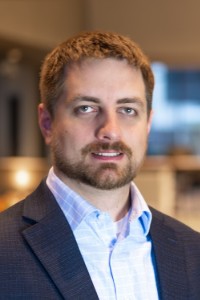
Jeff Svatora is the Bridges & Structures Technology Leader for HDR and is based in St. Louis Park, Minnesota. He has 14 years of experience designing and analyzing complex bridge structures at HDR. Over the past five years, his work has increasingly focused on digital workflows for bridge and structural engineering, and during the past year he has been integrating artificial intelligence into those workflows. His experience combines traditional bridge design and analysis with emerging digital tools, giving him a practical perspective on how AI can be incorporated into engineering processes and applied to real-world bridge and structural work.
February 9 – Rupert Price, SOCOTEC
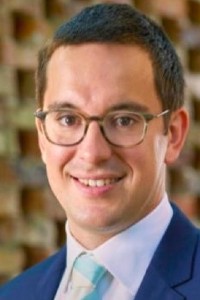
Rupert Price is vice president and principal engineer for SOCOTEC's testing and forensics service lines. He brings more than a decade of experience in structural design and forensic engineering, specializing in litigation support for construction defects, structural failures and site injuries. Before joining SOCOTEC, Price held leadership roles at Thornton Tomasetti offices in London, Abu Dhabi and Chicago. His practice includes structural health monitoring analysis and resolving construction disputes across all major building materials, combining design experience with forensic investigations to evaluate structural integrity.
February 9 – William Bast, SOCOTEC

William D. Bast is a principal and regional director at SOCOTEC Engineering Inc., with more than 41 years of structural engineering experience. His expertise includes forensic engineering, building envelope evaluation and repair, peer reviews and expert witness testimony. Before joining SOCOTEC, Bast was a principal at Thornton Tomasetti's Chicago office and worked at firms including Skidmore, Owings & Merrill. He is a past president of both the National Council of Structural Engineers Associations and the Structural Engineers Association of Illinois, a certified peer reviewer for the City of Chicago, and a former adjunct professor at the School of Architecture at Taliesin.
February 16 – Todd Helwig, University of Texas at Austin
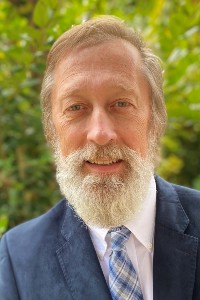
Todd Helwig holds the David Allen Cockrell Chair in Engineering at the University of Texas at Austin, where he has taught and conducted structural engineering research for 32 years. His work focuses on the design and behavior of steel structures, with expertise in stability, field monitoring and fatigue. A former chair of the Structural Stability Research Council, Helwig serves on technical committees for the American Institute of Steel Construction and AASHTO. He has taught short courses to thousands of engineers nationwide and received numerous national honors, including lifetime achievement and research awards from AISC, ASCE and SSRC.
February 23 – Qusai Alomari, Midwest Roadside Safety Facility, University of Nebraska–Lincoln
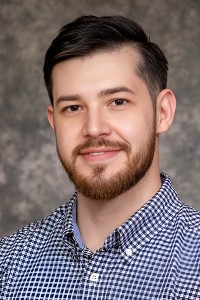
Dr. Qusai Alomari is a Research Assistant Professor with the Midwest Roadside Safety Facility at the University of Nebraska–Lincoln. His work spans the design, evaluation, and implementation of roadside safety features, as well as bridge components subjected to extreme human-made hazards. His research includes full-scale testing, numerical modeling, material characterization, guardrail systems, concrete barriers, and roadside hardware. He has also studied bridge components exposed to vehicle collision, fire, and blast, and investigated retrofit strategies including fiber-reinforced polymer strengthening and soil-infill systems to improve structural resilience under multi-hazard loading.
February 23 – Bob Bielenberg, Midwest Roadside Safety Facility, University of Nebraska–Lincoln
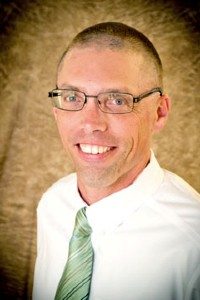
Robert “Bob” Bielenberg is a Research Engineer at the Midwest Roadside Safety Facility at the University of Nebraska–Lincoln, where he has worked for 25 years. He serves as Assistant Director of the Roadside Safety Division and Manager of the Midwest States Pooled Fund Program. His research focuses on the design and evaluation of roadside hardware through computer simulation and full-scale crash testing. His work has contributed to numerous safety systems, including the Midwest Guardrail System, long-span guardrails, the SAFER Barrier, and temporary concrete barrier tie-down systems. He is also Principal Investigator for NCHRP Project 22-61 on roadside hardware impacted by battery electric vehicles.
February 23 – Andrew Loken, Midwest Roadside Safety Facility, University of Nebraska–Lincoln
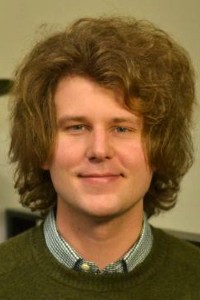
Dr. Andrew Loken is a Research Assistant Professor at the Midwest Roadside Safety Facility at the University of Nebraska–Lincoln, where he has conducted roadside safety research for roughly seven years. His work focuses on the analysis and evaluation of concrete barrier systems using LS-DYNA and advanced damageable concrete models. He has contributed to improvements in concrete modeling methods and to NCHRP research on bridge deck overhangs and railing design requirements. Dr. Loken is Principal Investigator for NCHRP Project 22-62 and has also contributed to Department of Defense force-protection projects involving high-speed vehicle impacts on perimeter barriers and gates.
February 23 – Scott Rosenbaugh, Midwest Roadside Safety Facility, University of Nebraska–Lincoln
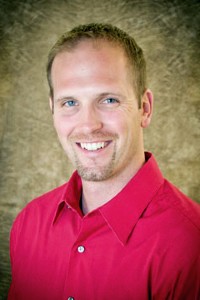
Scott Rosenbaugh is a Research Engineer at the Midwest Roadside Safety Facility at the University of Nebraska–Lincoln, where he has worked for more than 15 years. His responsibilities include the design, analysis, full-scale testing, and evaluation of roadside safety features, as well as development of implementation guidance. His work has included bridge railings, concrete median barriers, guardrail systems, stiffness transitions, and crash cushions designed to meet current safety standards. Rosenbaugh is a lead researcher with the Midwest Pooled Fund Program, participates in Transportation Research Board committees and Task Force 13, and collaborates on active NCHRP research projects.
February 23 – Joshua Steelman, University of Nebraska–Lincoln
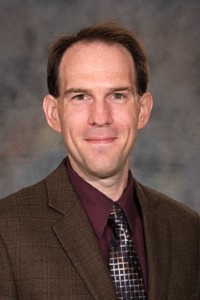
Dr. Joshua Steelman is an Associate Professor in the Department of Civil and Environmental Engineering at the University of Nebraska–Lincoln and has collaborated with the Midwest Roadside Safety Facility for approximately 10 years. His research includes bridge railing systems, deck overhang design, crash-test simulation, structural fuses, sign and luminaire supports, and vehicle-impact safety criteria. He has served as project lead and Principal Investigator on multiple NCHRP projects and contributed to proposed AASHTO design guidance. Dr. Steelman has more than 15 years of bridge engineering research experience and four years of structural building design experience, and he is a registered Professional Engineer in Nebraska.
March 2 – Dan Kelsey, Minnesota Department of Labor and Industry
Daniel J. Kelsey is an administrative structural engineer with the Construction Codes and Licensing Division of the Minnesota Department of Labor and Industry. Since joining the division in February 2000, he has written and presented educational seminars on structural building code provisions, provided code compliance assistance, and reviewed construction plans. Previously, Kelsey was the lead structural engineer at a regional architectural engineering firm. He holds a bachelor's degree in architectural engineering from the Milwaukee School of Engineering and is a licensed professional engineer in Minnesota and Wisconsin.
March 2 – Don Sivigny, Minnesota Department of Labor and Industry
Don Sivigny is a supervisor with the Minnesota Department of Labor and Industry Construction Codes and Licensing Division, overseeing education, code development and adoption, broadband and grants. With more than 41 years of experience enforcing Minnesota building codes as a code official and construction manager, he holds an applied science degree and numerous trade certifications. Sivigny is a nationally recognized instructor and speaker on residential building codes, building durability, energy, radon and green building issues. He has served on International Code Council standards committees, delivered code training nationwide, and authored, co-authored or contributed to five books on energy and building durability.
March 2 – Brian Karpen, Minnesota Department of Labor and Industry
Brian Karpen is an administrative structural engineer with the Construction Codes and Licensing Division of the Minnesota Department of Labor and Industry, joining the division in January 2025. He previously served 12 years in plan review for the City of St. Paul Department of Safety and Inspections. Before moving into building permit and code administration, Karpen worked as a designing structural engineer in Kansas City, Madison, and St. Paul. He holds a bachelor's degree in architectural engineering from the University of Kansas and is a licensed professional engineer in Minnesota.
March 9 – Bahram Shahrooz, University of Cincinnati (retired)
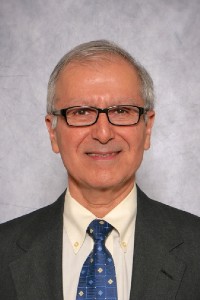
Dr. Bahram Shahrooz is an accomplished educator and researcher who retired from the University of Cincinnati in 2025 after 37 years advancing bridge engineering and innovative structural systems. His research contributed to the codification of composite coupled walls in the AISC Seismic Provisions for Structural Steel Buildings and helped advance bridge design provisions involving high-strength reinforcement, strand de-bonding, and 0.7-inch strands in the AASHTO LRFD Bridge Design Specifications. Dr. Shahrooz is a Fellow of ACI, ASCE, and the Structural Engineering Institute of ASCE and remains active on national committees related to bridges, concrete design, and composite construction.
March 9 – John Pearson, Wiss, Janney, Elstner Associates, Inc.
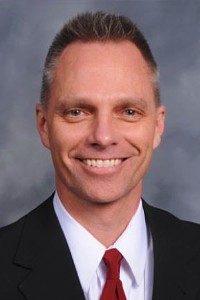
John Pearson has been with Wiss, Janney, Elstner Associates, Inc. since 1990 and has worked on a wide range of assignments involving stadiums, parking garages, buildings, bridges, unique structures, and heavy machinery. His work has focused extensively on structural testing, instrumentation, and computer-controlled data acquisition systems. Pearson has monitored fatigue stresses, vibration, displacement, and structural performance in applications ranging from dredges and presses to wind tunnels, buildings, and bridges. He also has extensive laboratory testing experience with structural materials and components, including post-installed anchorage systems, post-tensioning anchorages, and large-scale structures.
March 9 – Brian Easton, Wiss, Janney, Elstner Associates, Inc.
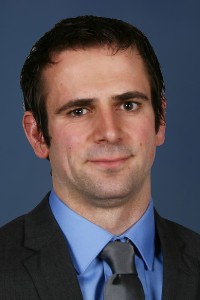
Brian Easton has been with Wiss, Janney, Elstner Associates, Inc. since 2013. His work has included condition assessment and repair or retrofit projects involving parking structures, high-rise residential buildings, hospitals, and manufacturing facilities. Over the past decade, he has focused primarily on structural testing and the acquisition and interpretation of test data from both small- and large-scale structural members and components. Easton has also conducted and assisted with testing programs for mechanical and adhesive post-installed anchorage systems in concrete and concrete masonry units, helping determine published design values for these systems.