
Apply By
Rolling DeadlinesAdmission GPA
3.0Total Credits
60Format
Primarily onlineTime to Complete
2.5-3 years on average-
Cost
$884 per credit
Why Earn a Master’s in Sex Therapy?
Are you ready to make a tangible difference in mental health? The Master of Professional Studies (MPS) in Sex Therapy is a fully online degree that puts you on the direct path to LPCC licensure in Minnesota and optional AASECT Sex Therapist certification. This unique, career-focused major combines an online curriculum with the essential experience offered through an in-person internship.
Plus, the degree was created in collaboration with the Eli Coleman Institute for Sexual and Gender Health at the University of Minnesota Medical School. This ensures that your training is grounded in evidence-based research.
Keep a Work-Life Balance with Our Flexible Format
The MPS in Sex Therapy is offered in a flexible online format that allows you to complete all of your coursework remotely, making it easier for you to balance professional, personal or geographic constraints. You engage in interactive, asynchronous and remote synchronous learning with access to faculty support, peer collaboration and virtual resources.
Comparing the MPS in Sex Therapy vs. the MPS in Sexual Health
Deciding between the MPS in Sex Therapy and the MPS in Sexual Health? In both programs, you’ll join a diverse and supportive group of students who share a passion for helping others. Here is the essential difference:
- The MPS in Sex Therapy is a license preparation program designed to make you an LPCC in Minnesota, while also fulfilling the majority of requirements for AASECT Sex Therapist certification.
- The MPS in Sexual Health is not a license preparation program but is ideal for enhancing a professional or clinician's practice in healthcare, education, public policy or advocacy. Coursework also counts toward AASECT Sexuality Educator certification.
Still not sure?
CCAPS offers a range of graduate programs for students interested in furthering their career in the mental or sexual health space. Compare all of our related degrees and certificates to find the one that works for you.
Who Should Apply?
- Future sex therapists and counselors who want to practice as an LPCC in Minnesota
- Career changers ready to enter the counseling field and specialize in sex therapy
- Recent undergraduates seeking a master’s path to becoming a licensed mental health counselor, specializing in LGBTQ+ clientele
Sex Therapy Courses
The courses in this degree are offered via asynchronous, remote synchronous and blended formats to provide maximum flexibility.
Asynchronous: Access lectures, assignments and course materials on your own schedule. No required live sessions. Complete coursework at times that work best for you within set deadlines.
Remote Synchronous: Attend live, scheduled classes via video conferencing. Sessions mimic a traditional classroom experience with real-time discussions, lectures and group activities.
Blended Asynchronous and Remote Synchronous: Combine the flexibility of self-paced, online learning activities with scheduled, real-time virtual meetings for instructor-led lectures, discussions or group work.
Required Courses (60 credits)
All courses are 3 credits.
- HSEX 6001 – Foundations of Human Sexuality
- HSEX 6015 – Sexual Pleasure and Intimacy
- HSEX 6016 – Compulsive Sexual Behavior
- HSEX 6211 – Dimensions of Sexual Functioning
- HSEX 6212 – Sex and Relationship Therapy
- HSEX 6213 – Sexual Trauma and Trauma-Informed Care
- HSEX 6214 – Sex Therapy Assessment and Treatment Planning
- HSEX 6313 – Gender Diversity, Sexuality and Sexual Health
- ADDS 6005 – Counselor Identity/Ethics
- ADDS 6015 – Social and Cultural Diversity in Counseling
- ADDS 6021 – Group Counseling
- ADDS 6035 – Research and Evaluation Methods
- IBH 6301 – Career Counseling
- IBH 6305 – Applications of Counseling Theory
- IBH 6311 – Differential Diagnosis
- IBH 6315 – Family Dynamics and Counseling
- IBH 6325 – Applications of Assessment
- IBH 6331 – Human Lifespan Development
- IBH 6996 – Internship (1) - 350 hours
- IBH 6996 – Internship (2) - 350 hours
Career Outlook in Minnesota
Minnesota is a great spot for LPCC professionals: mental health and substance use disorder social workers; substance use disorder, behavioral disorder and mental health counselors; and marriage and family therapists. Compared to other areas, Minnesota has more total employment and job postings.
- 15KRelated jobs in 2024 (the national average for an area the same size is 12K)*
- 543Related job postings per month (the national average for an area the same size is 346)*
*Lightcast.ai February 2025
Your Pathway to Licensure
Professional licensure is regulated individually by each state, meaning educational and experiential requirements can vary significantly across state lines due to differing legislative standards and public health needs.
The MPS in Sex Therapy prepares students to meet the educational and internship requirements for the following two Minnesota licenses:
- Licensed Professional Counselor (LPC)
- Minnesota Licensed Professional Clinical Counselor (LPCC)
All additional post degree supervision hours or other requirements for these licenses are not part of or fulfilled by the MPS in Sex Therapy program. For detailed information on the LPC, and LPCC licensing requirements, visit the Minnesota Board of Behavioral Health and Therapy (MN BBHT) website.
For most other states, the individual applicant’s credentials (education and experience) are evaluated on a case-by-case basis to determine what, if any, additional education and/or experience is required for licensure in that state. State requirements may change and students are advised to contact the applicable licensing board(s) in the state where they may want to pursue licensure before beginning an academic program to verify whether a program meets educational requirements for licensure in the state.
States with licensure requirements that may not be met by the degree program at this time: AL, AK, AZ, AR, CA, CO, CT, DE, GA, HI, ID, IL, IN, IA, KS, LA, ME, MD, MA, MI, MS, MT, NE, NV, NH, NJ, NM, ND, OK, OR, PA, RI, SC, SD, TN, TX, UT, VT, VA, WA, WV, WI, WY.
States with licensure requirements that are not met by the degree program: FL, KY, MO, NC, NY, OH.
AASECT Certification
This program is the first in the country to directly integrate AASECT (American Association of Sexuality Educators, Counselors and Therapists) Sex Therapy and LPCC (Licensed Professional Clinical Counselor) training.
As part of this program, you'll fulfill the majority of training requirements needed for the optional AASECT Sex Therapist certification. Completion of this program does not ensure or guarantee AASECT certification. Students are responsible for understanding all AASECT requirements and managing their activities in accordance with AASECT’s certification requirements. For further information please contact [email protected].
Both the LPCC and AASECT certification require completion of post-degree supervision hours independent of the MPS in Sex Therapy program. These post-degree hours take a minimum of two years.
Our Stories



Faculty and Staff
CCAPS is invested in your success and well-being. From your academic advisor to the Director of Graduate Studies, we are here to help you navigate an educational and career path that works for you.
In addition, the MPS in Sex Therapy program is guided by skilled instructors, advisors, and industry professionals.
Admissions Advising
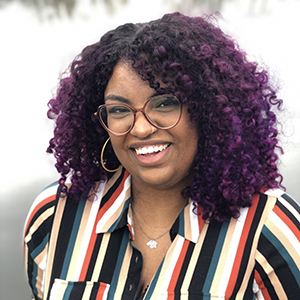
Meet Shanta Bhoelai
Shanta Bhoelai can help you choose which graduate program is the best fit for you, answer your questions about specific programs, and support you through the application process.
Apply
Admission Requirements
We strive to be fair in the admissions process. Our program thrives when we have students from different backgrounds and cultural experiences. The admissions committee completes a holistic review of all required application materials to ensure that you will be successful in the program. We do not require standardized test scores from the Graduate Record Exam (GRE).
As a program that trains future counseling professionals who may serve vulnerable populations, we adhere to the strict ethical standards and gatekeeping mandates of the American Counseling Association Code of Ethics. Behavior that violates professional ethical codes or undermines the interpersonal safety required for clinical practice may result in the denial or repeal of admission.
We welcome applications from students who have:
- a bachelor's degree from an accredited post-secondary US institution or its international equivalent
- an undergraduate grade point average (GPA) of 3.00. If your GPA is lower than 3.00, please include a statement of extenuating circumstances.
Visa Requirements and Restrictions
The University is not able to issue a visa document (I-20 or DS-2019) for international students on an F or J visa to enroll in the MPS in Sex Therapy program. International applicants on a F or J visa who submit an application will have their application withdrawn (the application fee is nonrefundable). International students must be in the United States in a status that allows for at least part-time study in a degree program and at least part-time work. See the International Students section for further information.
Application Fee Waiver
CCAPS offers a limited number of application fee waivers to US citizens/permanent residents. Please read the application instructions for full details on how to apply.
Frequently Asked Questions
Do I need to have a counseling license to apply?
No. The MPS in Sex Therapy is a license preparation program designed to meet the educational requirements to become an LPCC in Minnesota, while also fulfilling the majority of requirements for AASECT Sex Therapist certification. You do not need to have a related license to apply.
Can I complete the MPS in Sex Therapy completely online?
Yes! While all coursework is delivered remotely, students must complete an in-person clinical internship at a placement site they will select to fulfill program requirements.
What’s the difference between the Sex Therapy certificate and the Sex Therapy master’s degree?
The certificate is designed for professionals who already hold a counseling or allied health license and want to expand their skills, as well as aspiring sex therapists currently in a licensure training program.
The MPS in Sex Therapy is a license preparation program intended to prepare you to become an LPCC in Minnesota, while also fulfilling the majority of requirements for AASECT Sex Therapist certification.
Who is this degree for?
The MPS in Sex therapy is ideal for:
- Future sex therapists and counselors who want to practice as an LPCC in Minnesota
- Career changers ready to enter the counseling field and specialize in sex therapy
- Recent undergraduates seeking a master’s path to becoming a licensed mental health counselor, specializing in LGBTQ+ clientele
Does this program provide licensure?
Not by itself. This program meets all the educational training requirements for the LPCC (Licensed Professional Clinical Counselor) license by the Minnesota Board of Behavioral Health and Therapy (BBHT).
You'll also fulfill the majority of training requirements needed for the optional AASECT Sex Therapist certification. Completion of this program does not ensure or guarantee AASECT certification. You are responsible for fulfilling AASECT requirements and activities in accordance with AASECT’s certification requirements. For further information, email [email protected].
Both the LPCC and AASECT certification require completion of post-degree supervision hours in addition to the MPS in Sex Therapy program. These post-degree hours may take a minimum of at least two years to complete.
Will I be able to transfer coursework into the MPS in Sex Therapy program?
Admitted students may be allowed to transfer up to 10 credits of previous graduate-level coursework. See Transferring Credits section of the application instructions.
Are students in the Sex Therapy master’s program eligible for financial aid?
Yes, the MPS in Sex Therapy is a master’s program, so admitted students may be eligible for federal financial aid. CCAPS also offers need-based scholarships and a limited number of merit-based scholarships. See the Financing Your Education section of the application instructions.
Do you offer health insurance for graduate students?
CCAPS graduate students do not pay the student services fee and are not eligible to purchase the University's Student Health Benefit Plan. CCAPS graduate students need to obtain health insurance outside the University. This policy does not apply to international students. Contact ISSS for more information for international students.
What's it like to take an online class?
Taking an online course at CCAPS is an interactive, supportive experience. We deliver our courses through a system called Canvas. Once you are admitted to a program, you will be invited to attend a virtual orientation that includes an introduction to using Canvas.
There are also extensive resources within the course to introduce new users to classroom tools such as discussion boards, online readings, and video recordings. The University of Minnesota IT Help Desk is available via chat, email, and in person. There may be a learning curve as you begin your first online course, but once you’ve mastered the tools, you’ll use those same skills on all of your future courses.
How many credits should I take per term?
The number of credits you take should be based on your work demands, family, and other commitments, as well as the difficulty of the coursework. At the graduate level, full-time status is 6 or more credits. The MPS in Sex Therapy is designed to be completed at 9 credits/3 courses a term, however this pace may vary given your individual needs. The University of Minnesota’s policy on expected graduate student academic work per credit is that it will exceed 3 hours per credit per week.
Request Program Information
Do you want to receive:
- snapshots of how other students put their education to work on the job?
- ideas about how to fund your program?
- career-boosting tips and inspiration?
- stories about key faculty?
- highlights on core courses?
- generally interesting news about the program?
You can sign up for periodic updates here and we'll deliver these and more right to your inbox.