
OLLI Fall Sampler
Are you looking for high-quality courses that are offered throughout the year? Would you like to share intellectually stimulating social, cultural, and volunteer opportunities with a community of dedicated lifelong learners such as yourself? Look no further! The Osher Lifelong Learning Institute (OLLI) at the University of Minnesota offers all these things and more.
You'll learn about the OLLI experience from a member’s perspective. During the Sampler, three instructors presented mini-lectures based on past or forthcoming courses.
OLLI’s Fall 2026 Course Guide offers 100 courses, offered in person and online.
Sampler Topics and Speakers
Health Secrets of US Presidents
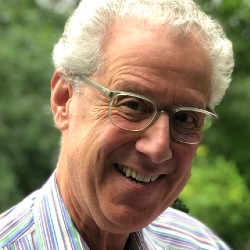
Migraines. Epilepsy. Tuberculosis. Neurological disorders. Many of the early US presidents — some of the most powerful men of their day — also suffered from serious illnesses, often in secret. Learn more about health challenges of our founding fathers, and those who followed, and how they projected strength and vigor while keeping hidden their illnesses.
Dr. Phillip Kibort is a retired CMO of Children’s Hospital Minnesota and a popular OLLI course leader.
Kibort will teach US Presidential History: A Thematic Approach this fall.
How to Spot a Scam

Deceit and scams abound in contemporary advertising, from ads that don’t look like ads, misleading verbiage, consumer tracking, and plain old snake oil peddling. This session offers tips so you can spot a scam in advertising.
OLLI Scholar Anastasia Micich researches privacy and deception in advertising. She is a doctoral student at the Hubbard School of Journalism and Mass Communication at UMN.
Micich will be teaching How to Spot a Scam: Deception in Contemporary Advertising in the fall.
Historical Context for Charles Dickens’ Novels: Early Victorian England

Set in early Victorian England, Dickens’ stories and characters address issues including social class, marriage, parent-child relationships, poverty and debt, and education. The plots are riveting: they make the reader think, tear up, and laugh out loud. This presentation introduces the historical context within which Dickens' works were composed and read.
Lucinda McCray has a PhD in History from Lancaster University (UK). She has served as a History Professor at Illinois State and Appalachian State universities.
McCray will teach Reading Nicholas Nickleby in the fall.