Most people don't become supervisors because they studied leadership. They become supervisors because they're good at what they do.
They've built expertise, earned trust and delivered results. Then comes the promotion and a realization that catches many new supervisors off guard: Leading people requires a different skill set than doing the work itself.
Technical knowledge can help you answer questions and make decisions. It doesn't necessarily prepare you for difficult conversations, trust building or helping employees grow. Those challenges require something less tangible, but often more important.
Why Supervision Is About More Than Expertise
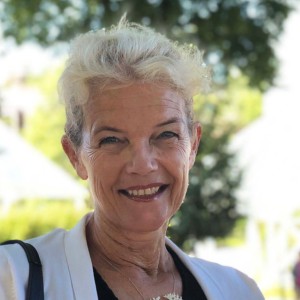
In her CCAPS webinar "Mindful Leadership Presence," organizational consultant and leadership coach Carolien Moors offers a deceptively simple definition of leadership: "Leadership is helping others be successful."
Drawing on more than three decades of experience working with leaders and teams across Europe, Asia and North America, Moors challenges common assumptions about what makes someone an effective leader. Leadership, she says, is not about being the smartest person in the room, commanding attention or having all the answers. It's about the impact we have on the people around us. That impact does not start with a performance review or a major strategic decision. It begins in the everyday moments that shape how people experience their work.
"We don't always own a room," Moors says, "but we always have an impact."
For supervisors, that idea can be both empowering and humbling. Employees notice more than we often realize. They notice whether we're present or distracted, how we respond when things go wrong and whether our actions align with our words. Over time, those daily interactions shape trust, credibility and workplace culture.
Yet many supervisors spend surprisingly little time thinking about how they are experienced by others.
A recurring theme in Moors' approach to leadership is self-awareness. Effective leaders take time to reflect on how they show up in meetings and in difficult moments. They also seek feedback from people they trust and stay open to learning. Leadership is not a destination. It is a practice of paying attention and adjusting over time.
The Leadership Skills That Build Trust
Leadership presence, Moors says, isn't about commanding attention. It's about the experience others have when they interact with you. That mindset becomes especially important when working with employees.
Many supervisors feel pressure to be the person with all the answers. They assume leadership means providing direction, solving problems and demonstrating expertise. While those responsibilities matter, Moors argues that some of the most effective leadership behaviors are often the least visible.
"Leadership superpower number one is listening," she says. "Leadership superpower number two is curiosity."
The statement resonates because it runs counter to traditional ideas about leadership. Listening can seem passive. Curiosity can feel secondary to decisiveness. Yet both are essential to understanding the people we lead and the challenges supervisors have to handle
Employees want to feel heard. They want to know their concerns matter and that their perspectives are considered. A supervisor who listens closely often learns more than one who moves quickly to solutions. A curious supervisor is more likely to uncover root causes, understand different perspectives and see new possibilities.
Curiosity also requires humility. It asks leaders to accept that they may not have the full picture and that other perspectives have value. That distinction between confidence and humility runs throughout Moors' leadership philosophy. Strong leaders make decisions and provide direction, but they don't feel the need to prove themselves in every interaction.
Quoting C.S. Lewis, Moors says, "Humility is not thinking less of yourself. It's simply thinking of yourself less."
For supervisors, that's an important distinction. Leadership requires confidence, especially in times of uncertainty and change. Teams look to supervisors for guidance and stability. But confidence is not the same as ego. In fact, Moors suggests credibility often grows when leaders admit mistakes, ask for help and acknowledge what they don't know.
She captures that idea in a simple observation: "You don't always have to be the smartest in the room. You do have to have the smartest people in the room."
How Supervisors Create Lasting Impact
The best supervisors understand that their success is closely tied to the success of the people around them. Instead of proving expertise at every turn, they create conditions where others can contribute and succeed.
That may be why the supervisors people remember most are rarely remembered for technical knowledge alone. Employees remember the manager who listened when they were struggling, the leader who encouraged them to take on a new challenge, the supervisor who stayed steady during a difficult transition, the supervisor who trusted them to do the work as opposed to micromanaging them, or the supervisor who gave them credit for their work in a moment that mattered. What lingers is not just what those leaders did, but how they made others feel and grow.
Helping others be successful sounds simple. In practice, it requires awareness, humility and genuine curiosity about others. It requires supervisors to pay attention not only to the work, but to the people doing it. Perhaps that's what makes leadership both challenging and rewarding. Every conversation and every interaction leaves an impression.
The question for supervisors is not whether they have an impact. It's whether that impact helps others succeed.
Supervision That Builds Stronger Teams
At the University of Minnesota College of Continuing and Professional Studies, we offer programs that help professionals strengthen critical skills and apply practical strategies at work. The Supervision Certificate helps new and emerging supervisors build the leadership skills needed to guide teams, support employees and navigate the everyday responsibilities of supervision. For organizations seeking to develop their teams, CCAPS' Workforce Development Program delivers customized group training aligned with organizational priorities and workforce goals.
Monique Dubos is a writer and content strategist with the UMN College of Continuing and Professionals Studies, where she covers the College’s noncredit professional and workforce development programs as well as The Midlife Academy. Her previous beats included CCAPS' construction management, healthcare management, and IT infrastructure programs. She has also written for the Institute on the Environment, the Minnesota Technical Assistance Program and various publications. Connect with her via LinkedIn.
Request Program Information
Supervision Certificate
Do you want to receive:
- snapshots of how other learners put their education to work on the job?
- ideas about how to fund your program?
- career-boosting tips and inspiration?
- stories about key faculty?
- highlights on core courses?
- generally interesting news about the program?
Great! You can sign up for periodic updates here and we'll deliver these and more right to your inbox!