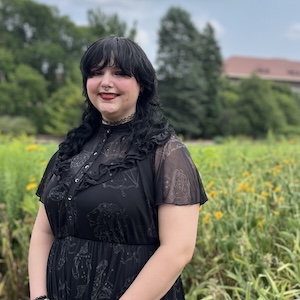
With Fiyyaz Karim
Transcript
Hi, my name is Dr. Fiyyaz Karim. I'm in the Integrated Behavioral Health and Addictions Counseling programs in CCAPS.
How is the field of mental health growing?
I think regarding areas of growth in the counseling and mental health field, we've seen a huge demand for mental health services, especially in light of just larger community losses and trauma throughout the past few years. And so I think that demand is gonna continue to grow, particularly I think in areas of grief, loss, and trauma. Also working with children and adolescents, and I think some of the technology aspects has made therapy more accessible. So that has also helped with the increase in the demand.
But I think the other big piece is also we're seeing less stigma around mental health services overall. And then just also the accessibility through, just the rise of therapy services being offered through avenues and platforms like employee assistant programs, though, too.
What is another way the field is changing?
I think another aspect that's changing the mental health field is the utilization of virtual reality, or VR. That technology has really helped clinicians and also clients really address and, through exposure therapy, the ability to cope with various mental health concerns and also practice different coping strategies in a very controlled environment that can really assist in alleviating their symptoms.
Where can students with an integrated behavioral health or addictions counseling degree go on to work?
We have some graduates that go on and work predominantly in community mental health, outpatient, or inpatient settings, with either a focus on addiction counseling or some students will also pursue and work primarily in just general mental health care. Some of our students will work in clinics or in hospitals around the metro area. And then lastly, some of our graduates will work in school-based settings or working predominantly with children, adolescents, and families.
What does a typical week look like for a mental health counselor?
A typical day or a week would consist of a combination of direct client care, supervision, consultation, administrative tasks like documentation, and then also, professional development opportunities. So, direct counseling care would involve one-on-one therapy or maybe facilitating or leading various group sessions.
Professional development opportunities could involve things like continued training, workshops, and then the administrative tasks would really revolve around assessments or charting, documentation of client notes, and writing up any relevant reports.
What advice would you give to new counselors?
If you're starting out in the field, I think being open to various opportunities that present themselves. Finding ways to get involved in the mental health community, whether that is joining various professional organizations. Also finding ways to network with fellow therapists, but also fellow classmates, though too, because I think that's a very big piece because those are gonna be future colleagues.
About Field Notes
Field Notes is a collection of short video interviews with College of Continuing and Professional Studies faculty and advisors, showcasing the wide range of professions supported by the College’s educational paths—from undergraduate and graduate degrees to minors and certificates.